
Indiana has over 47,000 nonprofits. Across the country, the sector employs more than 12 million people and spends nearly $2 trillion each year. These organizations need leaders, donors, volunteers, and advocates who understand not just the mission, but how the work happens. It’s important to know how nonprofits are set up, how they differ from for-profit businesses, how they get funding, and how individuals can align their skills with the causes that need them most.
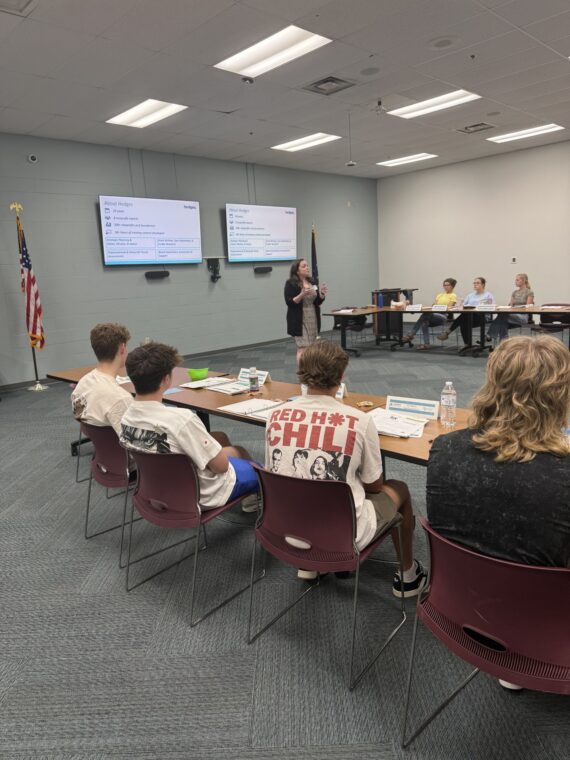
Hedges Consultant Kate Brierty facilitates Exploring Your Cause: How Nonprofits Create Change and How You Can Too, with the Shelby County Jr. Leadership.
And yet, many people who join the nonprofit sector have a similar story: someone gave them a chance, and they took it. Many more go about their lives unaware of the opportunities, and the true needs of our nonprofit sector.
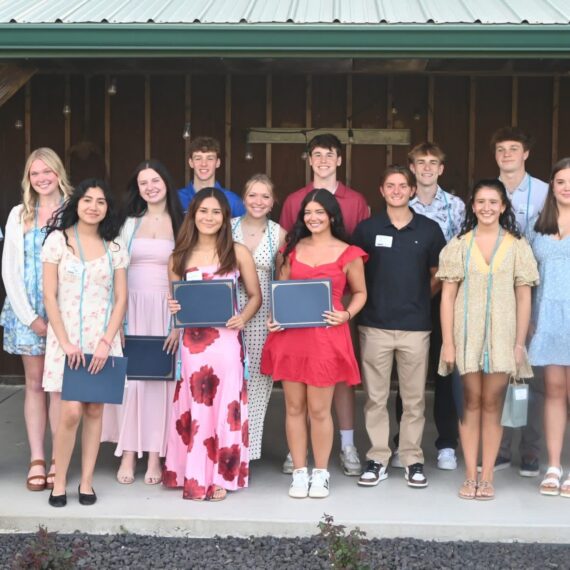
Leaders in Shelby County are addressing this gap. This April, twenty-three high school students from Shelby County Jr. Leadership, an initiative of Shelby County Chamber of Commerce, gathered at the Blue River Career Center for a 90-minute, hands-on learning experience, facilitated by Hedges. During the session funded by Blue River Community Foundation, Exploring Your Cause: How Nonprofits Create Change and How You Can Too, students explored how nonprofits operate and began identifying the causes they care about and where they can make a difference.
The session wasn’t about inspiring young people to care about their communities, because they already do. Instead, it gave them a framework to turn that passion into action. We explored how nonprofits, businesses, and government agencies each play unique but connected roles in a healthy community, and then asked students to pause and reflect.
Using a framework with four parts—interest, skillset, ability, and link—each student thought about what they offer, how much they can commit, and which causes matter to them. Each student left with a personal volunteer statement that clearly described how, where, and why they want to get involved. As Lauren, a session participant, put it best:
“We all have very important skills, even if we don’t see them. We can all fit somewhere, we just have to take the time to find it.”
Working with these young leaders reinforced something we see across the sector, and surfaced some important insights.
At Hedges, we design and lead trainings for nonprofit professionals and boards every week. But working with people who haven’t picked up the sector’s usual assumptions is eye-opening. They ask the questions we’ve stopped asking and approach things with curiosity. Here’s what this session, and these teens, reminded us.
Self-knowledge is the starting point.
Before anyone can find the right organization, they need to understand what they value, what they offer, and what they can realistically commit to. The same goes for adults. Unfortunately, many volunteer and board relationships don’t work out. Not because of bad intentions, but because this important self-reflection didn’t happen first.
Young people have the ability, but they need more context.
Every student in that room had something valuable to offer. What they needed was a way to see it. When we give people the right language and structure to understand the nonprofit sector, they can get involved confidently. Inspiration is a good start, but real understanding is what makes it last.
The sooner we invest in nonprofit education, the more it grows over time.
A 17-year-old who understands how a nonprofit board works, how organizations get funding, and how to find a cause that fits them is far ahead of where many adults start. That knowledge matters for them, and for the organizations that will rely on their leadership in the future.
The real investment.
It’s easy to talk about building the next generation of leaders, but it’s much harder to do the behind-the-scenes work of creating the foundation. This kind of program doesn’t create a major donor overnight or fill a board seat right away, it builds something far more valuable: people who understand how the sector works and where they fit within it.
These teens are future board members, executive directors, major donors, and policy advocates. Many will support the sector from the outside as volunteers, champions, or informed community members who understand what nonprofits do and why it matters.
The next generation isn’t waiting for inspiration. They’re waiting for someone to take them seriously. If we want a stronger nonprofit sector in the future, it’s up to us to start building it earlier.
Coming this August: Lead with Purpose
This August, grow your impact by joining our Board Leadership Series, Lead with Purpose. Gain the governance knowledge, strategic tools, and practical frameworks you need to lead with confidence and strengthen your organization. Learn more and register today.